Finding the Voice Again: Alex Selawsky-Group’s Journey Through Thyroid Cancer and PCOS
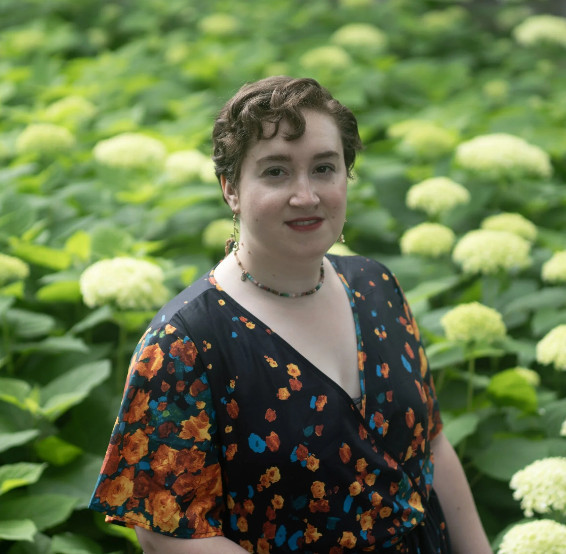
New York–based singer, Alex Selawsky-Group (she/they) first began exploring the world of music by being surrounded by it at home. “My parents met at the New England Conservatory of Music,” they recall fondly. “My mom studied early childhood music education and flute, and my dad was a pianist and theorist. Music was always just… there.”
“I did ballet from age three to about fifteen,” Alex says. “It was my introduction to orchestral sound. Then I started thinking: what if I sang this music instead of dancing to it?” They made their transition from the dance studio to the stage. That curiosity became a calling. But in December 2019, just before the world shut down, Alex’s path took an unexpected turn when they were diagnosed with papillary thyroid carcinoma of the left lobe.
A Diagnosis Delayed
Alex’s thyroid cancer was discovered almost by chance. “I had been diagnosed with PCOS [polycystic ovarian syndrome] a year or two earlier,” she explains. “Because that’s a hormonal disorder, my endocrinologist regularly monitored my hormones and thyroid function.” An ultrasound revealed a mass. A biopsy confirmed it was cancer, but not the kind that typically spreads. “It wasn’t malignant in the way people think of cancer,” Alex says, “but it could grow in place, so surgery was necessary.”
That surgery, a left hemithyroidectomy, was originally scheduled for March 2020, the same month COVID-19 shut down operating rooms across the country. Her surgery was classified as “elective,” so it was postponed until late May 2020. “It didn’t feel elective,” Alex laughs softly. “But it did give me time to think about what this meant for my voice.”
Singing Through Surgery
For any singer, surgery near the vocal folds is terrifying. “It was an invasive surgery on my throat, right by the vocal cords,” Alex says. “I told my surgeon, ‘I’m a singer. I need to sing high and low. Please be careful.’” Together, they decided to remove only half of the thyroid to minimize vocal risk. “At the time, I wanted to be as cautious as possible. Looking back, I sometimes wish we had removed the whole thing, so I wouldn’t have to keep monitoring the other half. But in that moment, all I cared about was protecting my voice.”
After the surgery, Alex couldn’t speak for a month. When they returned to singing they remember, “It was like learning to sing all over again. I had to reconnect my breath to my sound, retrain how everything felt.”
With the help of a generous teacher who offered weekly lessons to support recovery, Alex slowly rebuilt their technique. “For a while, every sound felt foreign. But once healing started, the voice came back fast. Maybe even stronger.”
Living with PCOS
While cancer had a beginning, middle, and end, PCOS remains an ongoing part of Alex’s life. “It’s a chronic condition that I’ll manage forever,” they explain. “For years I blamed myself for the symptoms: weight gain, acne, fatigue. Doctors told me I wasn’t exercising enough or eating right. But I was dancing six days a week! It didn’t make sense.”
It wasn’t until finding a supportive endocrinologist in her 20s that Alex began to feel understood. “She never blamed me for what my body was doing. That made all the difference.” She’s also noticed how treatment affects their artistry. “When my hormones were unregulated, I struggled with breath support. Since finding the right medication, I’ve gained strength and control,” Alex says. “And interestingly, after the thyroid surgery, my high notes opened up. My teacher and I have this theory that the tumor’s placement might have been slightly impinging on the space where the vocal cords vibrate. Who knows—but it’s nice to think there’s a silver lining.”
The Return to Music
The timing of Alex’s recovery coincided with pandemic isolation. “I couldn’t sing, and I couldn’t be around people. I felt like my whole way of expressing myself was gone.” When they were ready to sing again, community became essential. “I missed being in a chorus so much. I spent years trying out different ensembles, and now I’ve found my home with Downtown Voices.”
Returning to music wasn’t just about vocal rehabilitation, it was about reclaiming joy. “Practicing again, setting goals, looking forward to performances, that’s what motivates me,” they say. “It’s all connected to how I live.”
Advice for Singers Facing Illness
Alex’s advice for others facing thyroid cancer or PCOS is rooted in compassion and patience. “For PCOS—don’t Google. Don’t scroll through Facebook comments,” they warn. “Find communities that are supportive, like The Cysterhood. Talk to people who actually live with it.” As for thyroid surgery, she emphasizes preparation and trust: “If you’re a singer, find a surgeon who understands the voice. Ask for second opinions, talk through anesthesia, and plan your vocal rehab with your teacher. Be patient. Your voice will come back, but not overnight.”
She added with a smile, “In the meantime, watch old Met broadcasts, work on your languages, or sight-read something new.”
Moving Forward
When asked what advice they would give their past selves, Alex pauses. “I wish I’d trusted my instincts more,” they say. “I spent so much energy fighting the diagnosis instead of accepting that this was just another part of my life. It wasn’t a tragedy, it was something I could get through.”
Now, they advocate for more open dialogue among artists about health and chronic conditions. “There’s a stigma in the music world,” they note. “We’re expected to show up as perfect singers, not full people. But the truth is, singers are whole human beings with bodies that change, struggle, and heal.”
Alex’s story is a reminder that artistry and humanity aren’t separate. The same resilience that rebuilds a voice after surgery is the same strength that keeps a singer standing center stage—alive, vulnerable, and unafraid to tell their story.
