College Connection: The Voice Teacher Matchmaking Guide
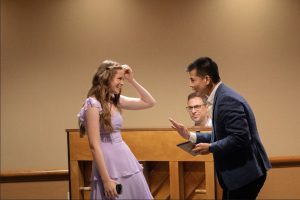
Finding the right voice teacher isn’t easy. Follow this guide as you prepare for your college and graduate school auditions to get the right “fit” with a teacher.
Finding the right voice teacher is a lot like dating. Sometimes you walk into that first lesson and just know: everything clicks, your teacher understands your voice, and you leave the studio feeling inspired. Other times, it takes time for you and the teacher to adjust to each other’s style, to build trust, and to find the rhythm that makes the relationship work. And, yes, there are also the ones full of red flags, such as the teacher who doesn’t listen, the one who leaves you doubting yourself. Those are the ones you want to walk away from as quickly as possible.
For singers, choosing the right teacher is about much more than technique or connection. It can shape your vocal health, your confidence, and even the direction of your career. A teacher who truly understands you can feel like a lifelong partner in your artistic journey, while the wrong fit can leave you frustrated or even set you back technically. The process of finding that match may take patience, but when you do, the results can be transformative.
The First Date: Initial Impressions Matter
If you’ve ever dated, you know the first date is rarely perfect. That magical encounter where everything clicks does happen, but it usually takes a lot of luck. Most of the time, the first meeting is simply…fine. You don’t oppose the person, you feel comfortable enough, and that’s what matters.
If the technique your teacher introduces doesn’t immediately resonate, don’t panic. Allow yourself a few lessons to settle in. In the beginning, trust is essential. Sometimes we cling to habits and resist change, which only slows down progress. By giving the teacher’s approach an honest try, you give yourself the chance to break through old patterns. However, if after about five lessons the teacher’s methods still don’t speak to you, or you feel consistently disconnected, that may be the signal to consider moving on.
It is also worth remembering that during those trial lessons, the teacher is getting to know you as both a person and a singer. Everyone processes information differently, so it may take time to break in, to adjust to each other’s communication style. That is why open, honest communication matters so much. You can often sense whether a teacher is responsible and genuinely invested in their students, or if they take a “hands-off” approach. Does this teacher care about your growth and your well being, or do they disappear the moment the lesson ends?
One word of caution: avoid studying with multiple teachers at the same time. It is a bit like dating several people at once—confusing and often more disruptive than helpful. If you are actively searching, it is fine to try a couple of lessons with two or three different teachers, but then commit to one direction.
On that first “date,” pay attention to how you feel in the room. Are you comfortable? Do you feel heard when you share your goals? Is the teacher clear in the way they communicate feedback? These early impressions matter. And just as in dating, there are red flags to watch for: a dismissive attitude, a one-size-fits-all approach, and a teacher who ignores your concerns. If you bring thoughtful questions and feel brushed aside, that is a warning sign. And if you leave a lesson with vocal strain or pain, that is perhaps the biggest red flag of all.
Search for Proof, Not Prestige
Sometimes, keeping an open ear and doing a bit of research goes a long way. A light background check helps you understand a teacher better as a person, as a scholar, and as a performer.
If applicable, speak with students who have studied with them and look up the teacher’s masterclasses, interviews, or studio videos online. Ask for specifics rather than a vague “Do you like them?” Try questions like: How do they teach breath and support? What is their approach to high notes and coloratura? How do they structure practice and offer feedback? In what area did they help you most? Then listen to the teacher’s own performances and decide whether their musical taste aligns with yours. Aesthetic fit matters because you will be shaping your sound together.
Be wary of big names as well. Prestige alone doesn’t guarantee a good fit. A teacher who doesn’t give you real attention, who brushes off your questions or treats lessons like routine transactions, will leave you feeling like just another item on an assembly line—running scales, singing through pieces, but never really being guided. Over time, that kind of indifference can be just as discouraging as poor technique.
Also keep in mind that singing well does not automatically mean teaching well. Ask yourself whether a teacher’s excellence comes from natural gifts or from technique that can be taught and transferred. Some singers flourish because their instruments are blessed; they may never have had to solve the technical puzzles you face. That can lead to advice that feels like “just do it,” which is magical for them but not actionable for you.
One way to tell the difference between “great conditions” and “great technique” is to sample recordings across a career. The naturally gifted singer might dazzle in their twenties yet sound less stable 10 years later. The technique-driven artist often shows continuity and growth. You hear evolving ideas about resonance, registration, articulation, breath management, and style. Longevity reveals what is mere giftedness and what is teachable craft.
In the studio, you want craft. Look for a teacher who can explain cause and effect, offer tools you can repeat, and adapt explanations to different learning styles. That kind of teaching travels from their body to yours. It holds up on a tired Tuesday, under audition nerves, and across the long seasons of a career.
Long-Term Match vs. Short-Term Flings
Some teachers are perfect for a season. Different teachers have different strengths. One might rebuild your breath and registration from the ground up. Another might coach you through a sprint such as grad school recordings, competition prep, or a role you need to learn quickly. Later you may seek a mentor who deepens style and other artistic identities. None of these chapters is lesser; short, focused work with the right person can be exactly what your voice needs at that moment.
Know when a chapter is closing. If progress stalls for several months despite consistent practice, if your goals and your teacher’s priorities no longer align, or if you leave lessons dreading the next one or feeling chronically tight, it may be time to move on. Changing teachers is normal and often a sign of growth. Leave with grace: thank them, set a clear end point, carry forward what worked, and keep in touch because they were an important part of your vocal journey. Your voice is a long-term project; your teacher match can evolve as you do.
Beyond Technique: Emotional and Artistic Growth
A good teacher is more than a technician. The right studio feels safe enough to make mistakes, try things, and grow. In that safety you build confidence, curiosity, and a musical identity that is not just correct but compelling.
Over time, a voice teacher can become a mentor who shapes not only how you sing, but how you choose repertoire, navigate auditions, and chart a career. When the relationship supports your artistry and your courage, lessons become collaboration, and making music feels like home. You’ll know when you find the right teacher—it feels like hope.
